Privacy & OPSEC
Privacy is not secrecy. It is — in Eric Hughes’s words from A Cypherpunk’s Manifesto (1993) — the power to selectively reveal yourself to the world. And in a world that logs everything by default, holding that power takes deliberate practice.
This is where most readers begin, whether or not they have ever touched Bitcoin. Before any tool can help you, you need to see the threat you are actually defending against.
What this pillar covers#
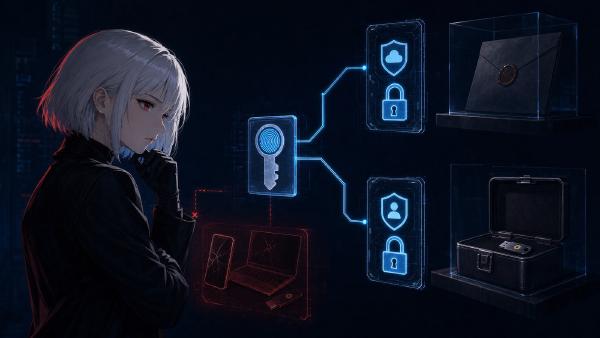
- Threat modeling — naming your adversary, your assets, and your acceptable risk, so you spend effort where it matters.
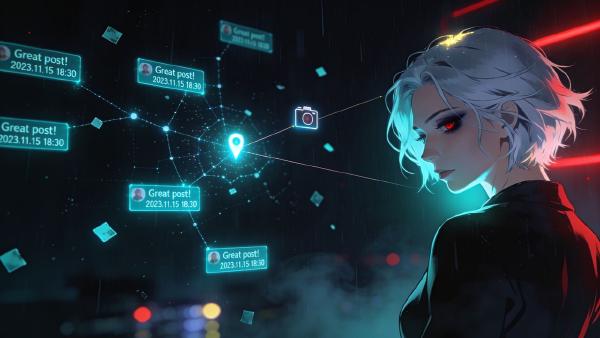
- Metadata & correlation — why what is revealed about your data often matters more than the data itself.
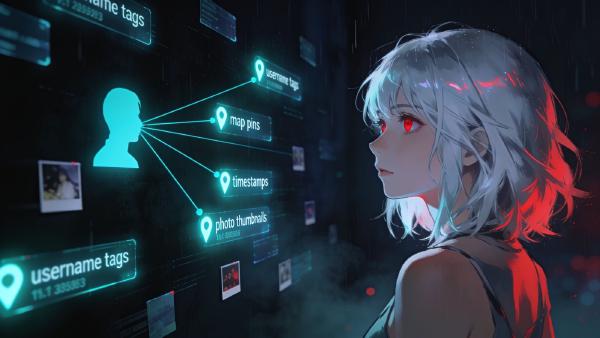
- Surveillance — how commercial and state collection actually works, from a practical rather than alarmist view.
- Everyday OPSEC — the small, repeatable habits that shrink your attack surface: communications, browsing, identity separation, and operational discipline.
- OPSEC failures, documented — real case studies of what went wrong for real people, and the defense each failure teaches (our Series E).
Start with the threat, not the tool#
The fastest way to waste effort on privacy is to buy tools before you understand what you are protecting. We work the other way around: model the threat, then choose the smallest set of tools that meets it.
New here? This is the right place to start — everything else, including Bitcoin, makes more sense once you can see the threat.
Next on the path: once the threat is visible, money is usually where it bites first — continue with Self-Custody.


We Watched the AI Crawlers: A 17-Day Log Study (2026)

How a Photo's Hidden Data Reveals Your Home Address (2026)

What AI Geolocation Can Find in One Photo (2026)

Audit Your Own Post History the Way an AI Would (2026)

Bitcoin On-Chain Privacy in 2026: How Tracing Works

How Streamers Get Doxxed: 5 Cases and the Defense (2026)

What Does ChatGPT Know About You? AI Privacy Audit 2026

AI Deanonymization: How Inference Undoes Your Anonymity (2026)

How Slack Monitoring Gets Employees Fired (2026)

OPSEC in the AI Age: Rebuilding Your Threat Model (2026)

When the Government Leaks Your Data: A 2026 Defense Playbook